Best Golf Simulators for Home in 2026: Expert Reviews & Buying Guide
Looking to bring your golf game indoors with the best golf simulators for home in 2026? Whether you're aiming to practice year-round or sharpen your skills with pro-level analytics, choosing the right home golf simulator is crucial. This comprehensive guide breaks down the latest technology, features, packages, and budgets to help you set up an accurate indoor setup that fits your space and goals. From budget-friendly launch monitors to premium full simulator experiences, you’ll discover tailored recommendations that ensure you get the most immersive and effective practice possible at home.

Why Choose the Best Golf Simulators for Home in 2026?
Indoor golf simulators have surged in popularity in 2026 as golf enthusiasts seek reliable practice options regardless of weather or location. These simulators offer year-round play with the convenience of practicing in your home or garage. Thanks to advancements in sensor technology and software, today’s best home golf simulators deliver greater accuracy and an immersive feel that mimics real course play. Investing in a quality setup enables consistent skill improvement with precise ball and club data, making it a smart addition for golfers focused on serious training and enjoyment.
Key Features to Look for in the Best Home Golf Simulators
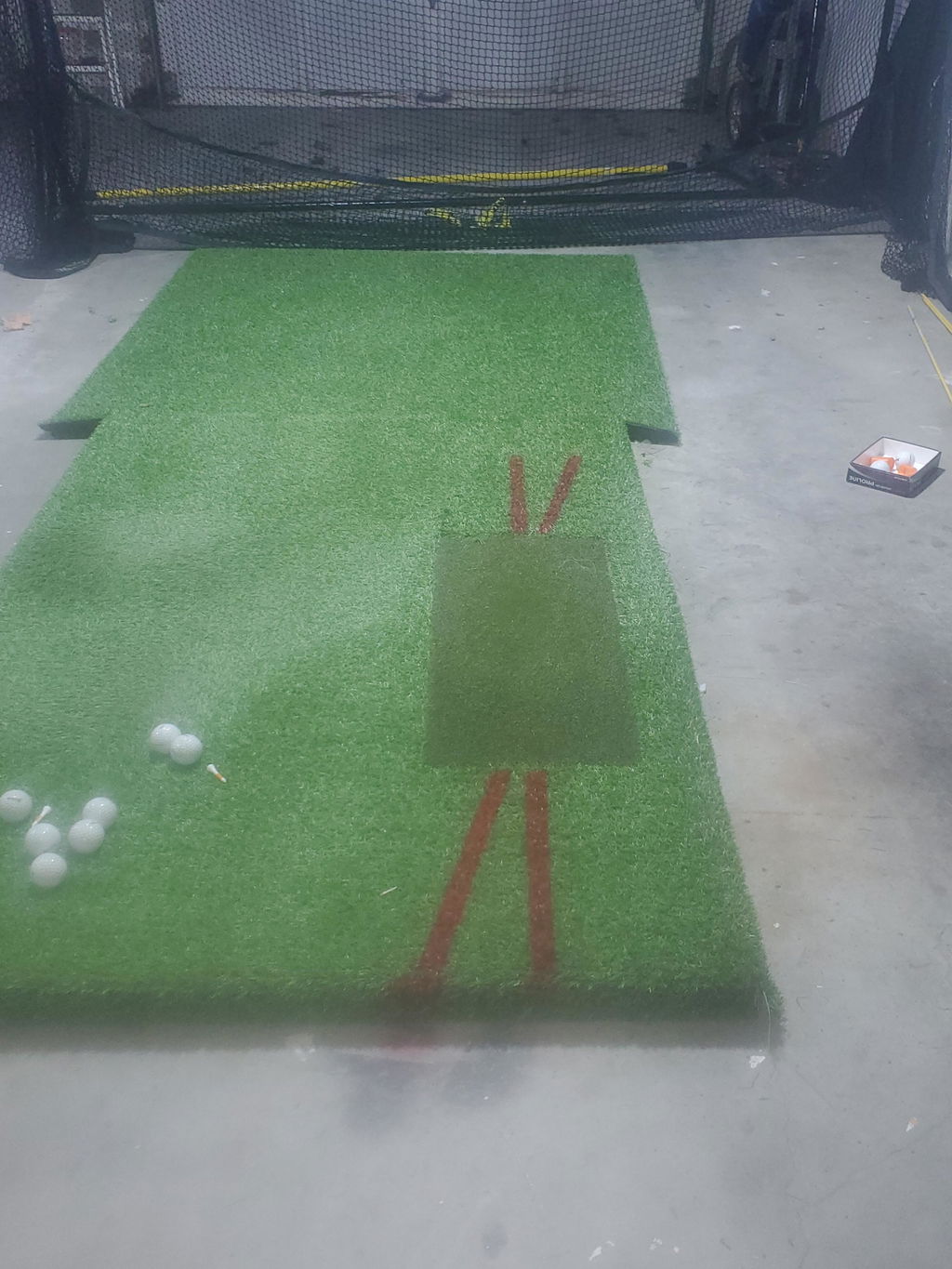
When choosing a home golf simulator, accuracy is paramount—look for systems with advanced sensor technology such as dual-camera and radar systems. Compatibility with trusted simulation software enhances the experience, offering realistic course-play and pro-level analytics. Essential components include high-quality hitting mats that provide authentic turf feel, durable impact screens, reliable projectors, and sturdy enclosures. Ease of setup and the ability to customize your home simulator setup based on space are important. Keep in mind the trade-off between budget and performance; finding the right balance ensures you get features that suit your needs without overspending.
Indoor Golf Simulator Technologies Explained
Indoor golf simulators utilize either high-speed camera-based or radar Doppler tracking technology. Camera-based systems capture detailed ball and club data using multiple cameras, offering excellent shot analysis in moderate indoor spaces. Radar technologies, like those in FlightScope Mevo+, use Doppler signals to track ball flight and club movement, often requiring more open space but providing superior accuracy for long shots. Both have distinct benefits and limitations depending on your setup and goals. Popular tech examples in the best golf simulators for home include SkyTrak+ (camera-based) and FlightScope Mevo Gen2 (radar-based), delivering precise ball tracking and immersive simulation.
Space & Setup: Planning Your Home Golf Simulator
Planning your home golf simulator starts with ensuring adequate space: a minimum ceiling height of 9 feet, width of 10 feet, and depth around 15 feet allow for comfortable swings. Garages, spare rooms, or multi-purpose spaces can be adapted for simulation use. Sensor positioning depends on technology—camera systems often mount overhead or at the setup’s front, while radar systems may require unobstructed rear placement. Including a sturdy enclosure with impact screens and ambient lighting control improves safety and the immersive experience. Safety nets and careful layout help avoid damage and ensure fluid play.
Budget Ranges and What to Expect
Home golf simulators come in several budget levels. Entry-level options under $1,000 offer basic launch monitors suited for beginners and casual practice but have limited accuracy and software features. Mid-range setups between $3,500 and $10,000 strike a balance, providing more accurate sensor technology, immersive software, and durable components like quality hitting mats and projectors. Premium systems costing $10,000 or more feature top-tier cameras, detailed club and ball data, slow-motion impact videos, and robust software packages for a full simulated experience. Remember to factor in added costs such as computers, projection equipment, and professional installation.

Best Golf Simulators for Home Under $1,000
For budget-conscious golfers, launch monitors like OptiShot and beginner SkyTrak units offer affordable entry points. These simulators provide basic ball data and swing feedback, ideal for casual practice and learning fundamentals. Paired with budget-friendly nets, hitting mats, and DIY impact screen solutions, users can set up a workable indoor practice zone without overspending. Keep in mind these setups may lack the advanced accuracy and software depth found in pricier models, making them less suitable for serious training but perfect for honing the short game and maintaining swing rhythm indoors.
Top Mid-Range Home Golf Simulators ($3,500–$10,000)
Mid-range golf simulators like SkyTrak+ packages stand out for blending accuracy, ease of use, and immersive simulation. They feature high-speed camera-based launch monitors paired with realistic course-play software and solid peripheral gear, including hitting mats and impact screens. FlightScope Mevo+ offers a radar-based alternative, excelling in tracking detailed ball and club metrics with robust software integrations. TruGolf Vista 8 also attracts mid-range buyers with customizable studio sizes and polished software options. This segment offers the best value, delivering reliable performance without the steep cost of pro-level simulators.
Premium Home Golf Simulators for Serious Golfers ($10,000 and Up)
At the premium level, systems like Uneekor QED and EYEXO provide unparalleled data depth including ball trajectory, clubface analysis, and immersive slow-motion impact videos. The Foresight GCQuad delivers tour-level precision and portability with versatile software, favored by golf professionals. Trackman remains iconic for its accuracy but demands more installation space and budget. Premium packages from TruGolf and ultra-high-end builds from HD Golf and Full Swing Golf offer fully integrated solutions with steel-frame enclosures, automatic ball return, and top-tier simulation software—perfect for the serious golfer wanting the most realistic home setup.
Golf Simulator Software & Course Options
Software plays a pivotal role in the golf simulator experience. Popular platforms like E6 Golf, The Golf Club, World Golf Tour, and Golfzon offer realistic course-play with extensive course libraries and engaging practice modes. Subscriptions may be required, but they add value through pro-level analytics and customizable training drills. Compatibility varies, so choosing software aligned with your simulator ensures smoother integration and a more immersive experience that enhances your home golf setup.
Essential Golf Simulator Accessories for Home Setup
High-quality hitting mats provide realistic turf feel and crucial shot feedback, while impact screens protect walls and display crisp images from your projector. Selecting a bright, reliable projector and a powerful computer are vital for smooth software performance. Enclosures built from durable and heavy-duty materials ensure safety and longevity. Additional accessories like safety nets, adjustable lighting, soundproofing, retractable screens, and multi-angle cameras can further enhance your simulator studio’s realism and comfort.

How Much Does a Home Golf Simulator Cost?
The total cost of a home golf simulator depends on components such as launch monitors, hitting mats, impact screens, projectors, simulation software, and installation. Entry-level packages start under $1,000 but typically include limited features and basic tracking. Mid-range systems, costing between $3,500 and $10,000, add better accuracy, software, and accessories. Premium setups over $10,000 deliver pro-level analytics and complex installations. Beyond initial purchase, consider ongoing fees for software subscriptions and hardware upgrades. Brands and technology also influence pricing, so research packages carefully to fit your needs and budget.
Is an Indoor Golf Simulator Worth It? Key Benefits and Considerations
Indoor golf simulators offer unparalleled convenience, allowing practice regardless of weather and access to detailed swing and ball data not available at traditional driving ranges. They enable real-time skill tracking and immersive course experiences that improve motivation. However, consider space requirements and initial investment, which may be significant. Compared to outdoor play, simulators can’t fully replicate environmental variables but provide a controlled environment for focused training. Feedback from home users praises simulator durability and realistic turf feel, underscoring their value as year-round golf practice solutions.
Comparing the Best Golf Simulators for Home: Features and Performance
| Model | Technology | Accuracy | Data Tracked | Space Needed | Software Options |
|---|---|---|---|---|---|
| SkyTrak+ | High-speed Camera | High | Ball Flight, Spin, Launch | Compact | E6 Golf, The Golf Club |
| FlightScope Mevo+ | Radar Doppler | Very High | Ball & Club Data | Moderate to Large | Third-party Compatible |
| Bushnell Launch Pro | Radar & Camera | High | Ball Flight, Swing | Medium | Custom Software |
| Garmin Approach R10 | Radar Doppler | Good | Ball Flight | Compact | Garmin App |
| Uneekor QED | Dual Camera | Tour-level | Club & Ball Metrics | Large | Pro Grade Software |
This comparison reveals distinct trade-offs between camera-based and radar-based systems, with camera models excelling in compact indoor setups and radar systems delivering enhanced data but requiring more room. Matching your budget, space, and training goals is key to selecting the best home golf simulator.
DIY vs Pre-Built Simulator Packages: What’s Best for Home Use?
DIY golf simulator builds appeal to customizers and budget-conscious users, offering flexibility to select components like hitting mats, sensors, and enclosures tailored to their space and preferences. However, they demand time, technical skill, and calibration. Pre-built packages provide convenience, bundled warranty support, and faster setup, ideal for users looking for plug-and-play options. Popular DIY kits include Flightscope Mevo Gen2 SIG DIY Studio Packages, while full pre-built options cover brands like SkyTrak+ and TruGolf, serving different budgets and requirements.

Essential Maintenance Tips for Your Home Golf Simulator
Maintaining your home golf simulator involves regular cleaning of mats, screens, and sensors to ensure durability and accuracy. Software updates and recalibration optimize performance and data precision. Protect delicate components like cameras and projectors by storing them properly when not in use, and monitor for hardware wear. Troubleshoot common issues like sensor misalignment or software glitches promptly, and don't hesitate to seek professional help if needed to maintain a seamless simulation experience.
Where to Buy the Best Golf Simulators for Home in 2026
Trusted retailers specializing in home golf simulator gear include dedicated online shops and golf equipment specialists offering bundles with customer support. Buying from specialists ensures access to expert advice and tailored recommendations. Check online reviews and golf discussion forums to validate brand reputation. Many retailers provide financing options or seasonal discounts, making it easier to acquire premium golf simulators and accessories for your home practice needs.
Frequently Asked Questions About Home Golf Simulators
What is the best indoor golf simulator?
- The best indoor golf simulator depends on budget and goals. SkyTrak+ offers high accuracy and solid software integration for mid-range users. FlightScope Mevo+ is preferred for radar precision and detailed club data. For premium users, Uneekor QED and Foresight GCQuad provide tour-level analytics and immersive features.
Is an indoor golf simulator worth it?
- Yes, indoor golf simulators offer convenience, weather-independent play, and detailed swing analysis. They are valuable for improving skills year-round, though initial cost and space should be considered.
How much does an indoor golf simulator cost?
- Costs vary from under $1,000 for basic launch monitors, $3,500 to $10,000 for mid-range complete packages, to $10,000+ for premium systems. Additional expenses include software subscriptions and hardware like projectors and enclosures.
Choosing the Right Home Golf Simulator for Your Needs
Select a simulator by matching your skill level, budget, and available space. Define your goals—whether casual fun, detailed swing and club analysis, or tournament-style practice. Consider scalability and future upgrades to your system. Testing demos or seeking expert advice can help confirm the best fit for your home golf practice solutions.
Summary: Making the Most of Your Home Golf Simulator Investment
Investing in a quality home golf simulator delivers year-round training with immersive features, detailed analytics, and convenient practice. Carefully assess your available space, budget, and technology preferences to choose a setup that enhances your game. With the right components and software, your home golf simulator can become an essential tool for continuous improvement and enjoyment, regardless of outdoor conditions.